PRESS RELEASE
22nd May 2021
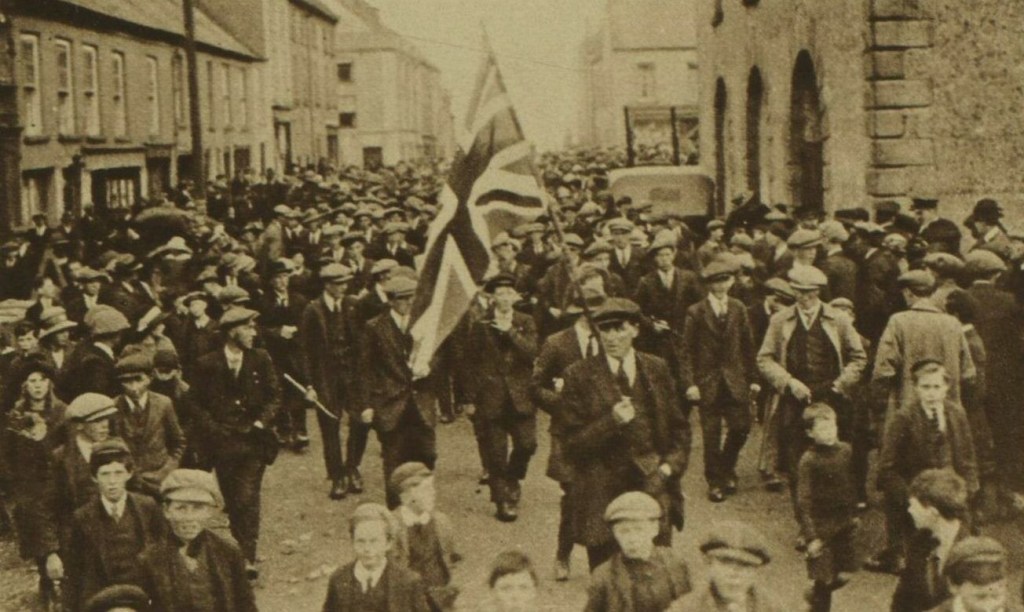
The Ulster History Project, in conjunction with the NI Centenary Historians Sub-Committee, marked the centenary of Northern Ireland on Saturday through hosting a successful conference which attracted a range of participants, including Unionist politicians from across the board.
The conference looked at the history of Northern Ireland from its foundation, to include the role of women in the Province, the first elections to the new Parliament, the extraordinary career of Harry Midgley, Southern Unionists and Northern Ireland, the UVF Patriotic Fund (1913 – 1966) and how the new Northern Ireland state strove to present itself to a wider world.
Speakers included: Dr Andrew Charles, Gordon Lucy, Prof Graham Walker, Cllr Aaron Callan, Molly Liggett, Carol Walker, Philip Orr and Stewart McClean.
Speaking today, Chairman of the UHP, Cllr Richard Holmes said:
“It was great to mark the centenary of Northern Ireland through the medium of a Conference with a range of speakers, speaking on a wide variety of topics. The conference was well attended and supported by members from all the main Unionist parties, including MP Ian Paisley.
“Northern Ireland has a rich past worthy of further exploration and at the conference we had speakers who explored subjects from the first elections to the new Parliament in 1921, the formation of Northern Ireland, the experiences of southern Unionists, how the new state sold itself to the outside world and the career of Harry Midgley.
“Given the success of this conference, there are plans afoot to host another conference later in the year, in-person, looking to the future of Northern Ireland.”
Dr Andrew Charles, who organised the Conference and is Chairman of the NI Centenary Historians Sub-Committee said:
“What we wanted to do was to celebrate the centenary of Northern Ireland through a series of speakers and topics.
“I was heartened by the turnout and interest in the Conference and dialogue that grew out of each of the papers amongst the participants.
“It is clear that people, one hundred years on, wish to know more about the history of our Province.”
ENDS
 The Ulster History Project